

 summary:
Solana's 2025: Not Just Fast, But a Glimpse of Tomorrow's WebH2: Solana's Spe...
summary:
Solana's 2025: Not Just Fast, But a Glimpse of Tomorrow's WebH2: Solana's Spe... Solana's 2025: Not Just Fast, But a Glimpse of Tomorrow's Web
H2: Solana's Speed: More Than Just Bragging Rights
We all know Solana is fast. We’ve heard the numbers – 1,000+ transactions per second. But let's be honest, numbers can be abstract. What does that actually mean? Imagine trying to stream a high-definition movie over dial-up. That's pretty much what using some older blockchains feels like today. Solana, on the other hand, is like having fiber optic directly to your brain, or, well, your dApp. It's the difference between a stuttering, frustrating experience and a seamless, intuitive one.
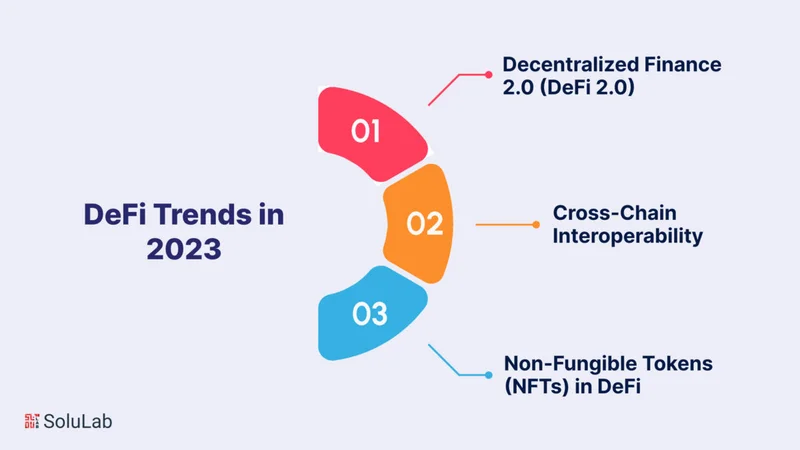
And that's the key, isn't it? This isn’t just about bragging rights; it’s about unlocking new possibilities. Think about it: Microtransactions become viable. Complex DeFi strategies become practical. NFT minting frenzies don't grind the whole network to a halt. Solana's consistently low transaction fees – around $0.00025 – are the magic ingredient here. It's like the difference between paying a toll every time you drive across town versus having unlimited free passage. Which one encourages more activity, more innovation, more life?
The FalconX report highlighting the post-October crash softness in DeFi underscores this point perfectly. While some tokens faltered, the underlying need for a robust, efficient platform remains. Solana, with its speed and low costs, is poised to capitalize on that need. Investors are looking for safer havens, yes, but they're also looking for platforms that can actually deliver on the promise of decentralized finance. Can Solana be that haven? According to Crypto Market 2025 Year-End Review, Solana is well-positioned for continued growth.
I saw a comment on a crypto subreddit the other day that really stuck with me. Someone wrote, "Solana feels like the first blockchain I've used that doesn't feel like I'm using a blockchain." And that, my friends, is the holy grail. It’s about making the technology invisible, so the experience can shine.
But, of course, with great power comes great responsibility. The higher hardware demands for validators, as the Solana analysis points out, do raise questions about decentralization. It's a tightrope walk – balancing speed and scalability with true, distributed control. We need to keep a close eye on validator distribution and ensure the network remains resilient to potential centralization pressures.
H2: The Future is Being Built, One Transaction at a Time
Solana's current market cap exceeding $14 billion and daily trading volumes averaging $1.2–$1.5 billion speaks volumes. It's not just hype; it's a reflection of real activity, real adoption. DeFi is thriving, NFTs are booming, and developers are building innovative dApps on the platform. This isn't some theoretical future; it's happening now.
And the best part? This is just the beginning. Imagine a world where decentralized applications are as seamless and intuitive as the apps we use every day. Imagine a financial system that is open, transparent, and accessible to everyone, regardless of their location or background. Solana isn't just a blockchain; it's a foundation for that future.
I remember when the internet was first becoming mainstream. People were skeptical. They didn't understand it. They dismissed it as a fad. But look at us now. The internet has transformed every aspect of our lives. I believe blockchain technology has the potential to do the same, and Solana is leading the charge.
H2: So, What Does This All Mean?
Solana's 2025 isn't just about speed; it's about demonstrating the viability of a truly decentralized future. It's a future where blockchain technology fades into the background, empowering seamless, intuitive experiences that transform how we interact with the world. It's a future worth building.